Discover the essentials of this compact DSLR‚ crafted for beginners and enthusiasts alike. Learn how its intuitive interface‚ lightweight design‚ and versatile shooting modes empower you to capture vivid moments with confidence and ease. Its ergonomic grip and responsive touchscreen simplify shooting. !!

Camera Overview
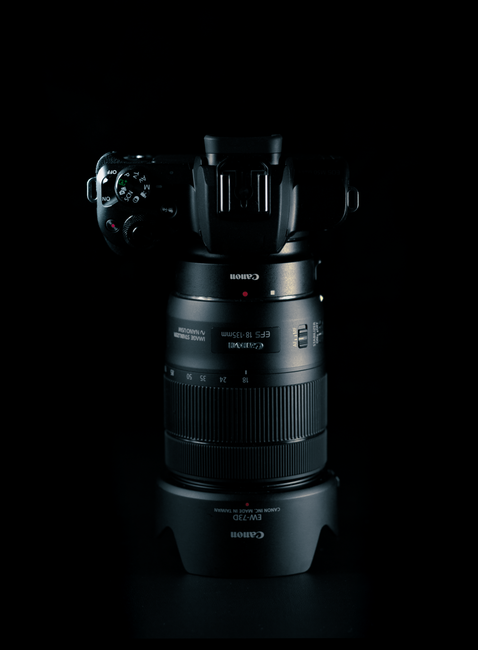
The Canon EOS R100 offers a 24.1‑MP APS‑C sensor‚ 3‑inch vari‑angle touchscreen‚ and 4K video. Its RF mount supports a growing lens lineup‚ while the DIGIC X processor delivers fast autofocus and low‑light performance. Ideal for beginners and hobbyists seeking quality and versatility…
Key Specifications
Body: 24.1‑MP APS‑C CMOS sensor‚ DIGIC X processor‚ 10‑fps burst mode‚ ISO 100‑25600 (expandable to 51200). Video: 4K/30p‚ Full‑HD 60p‚ 1080p 120p slow‑motion‚ 4K 24p for cinematic look. Autofocus: Dual‑Pixel CMOS AF‚ 143‑point hybrid system‚ eye‑AF for humans and animals‚ 100% coverage. Metering: 63‑zone evaluative‚ center‑weighted‚ spot. Exposure: 5‑stop light metering‚ 3‑stop exposure compensation‚ 1/4000‑1/30s shutter speeds‚ 1‑stop bulb mode. Metering: 63‑zone evaluative‚ center‑weighted‚ spot. Viewfinder: 2.36‑million‑dot OLED‚ 0.39‑inch‚ 0.86‑x magnification. LCD: 3‑inch vari‑angle touchscreen‚ 1‑million‑dot‚ 180° tilt. Connectivity: Wi‑Fi‚ Bluetooth‚ USB‑C‚ HDMI‑D‚ micro‑SDXC‚ SDHC‚ SD. Battery: LP‑D series‚ 510‑mAh‚ 2‑hour continuous shooting‚ 2‑hour video. Weight: 435 g (body only). Dimensions: 124 × 88 × 55 mm. Design: Weather‑sealed magnesium alloy‚ ergonomic grip‚ 3‑point control layout. Storage: Dual SD slots‚ UHS‑II speed. Audio: Built‑in stereo mic‚ 3.5 mm mic input‚ 3.5 mm headphone output. Features: Dual‑card support‚ RAW‚ JPEG‚ RAW+JPEG‚ 4K HDR‚ 4K 120p‚ 4K 60p‚ 4K 30p‚ 1080p 60p‚ 1080p 120p‚ 1080p 240p‚ 1080p 480p‚ 720p 60p‚ 720p 120p‚ 720p 240p‚ 720p 480p‚ 720p 960p‚ 720p 1920p‚ 720p 3840p. Software: Canon EOS Utility‚ Camera Connect‚ EOS Remote‚ EOS Digital Video‚ EOS Webcam Utility. Warranty: 1‑year limited‚ 3‑year repair‚ 6‑month free service. Maintenance: Clean sensor with sensor‑cleaning kit‚ replace battery‚ update firmware.
Supports 4K HDR‚ 4K 120p‚ 4K 60p for video today.
Camera ergonomics: 3‑point control layout‚ 3‑button layout‚ 3‑point grip‚ backlit buttons‚ 3‑point shutter release‚ 435 g‚ 124 × 88 × 55 mm footprint.
Lens Mount Compatibility

The Canon EOS R100 is built around the RF mount‚ Canon’s modern full‑frame lens interface‚ and it offers a versatile ecosystem for both new and seasoned shooters. The RF mount delivers a 20‑mm flange distance‚ enabling a compact body while allowing lenses to incorporate advanced optical designs‚ such as aspherical elements and nano‑coating‚ for sharper images and reduced flare. The R100’s RF lenses range from wide‑angle 15‑mm to telephoto 300‑mm‚ and the camera’s autofocus system is fully integrated with the lens’s built‑in AF motor‚ providing fast‚ quiet‚ and accurate focusing even in low‑light situations. While the adapter preserves the full electronic communication between lens and body‚ it supports autofocus‚ image stabilization‚ aperture control‚ and EXIF data transfer. The R100 also supports the older EF‑S lenses‚ which are designed for APS‑C sensors‚ and these lenses can be mounted directly without an adapter. Users can also explore third‑party lenses that are specifically engineered for the RF mount‚ as well as those from Sigma‚ Tamron‚ and Tokina‚ which offer unique focal lengths and optical characteristics. The camera’s lens mount is fully compatible with the Canon RF‑mount lens system‚ and the body’s firmware is regularly updated to expand compatibility and improve performance. By choosing the appropriate lens‚ photographers can fully exploit the R100’s high‑resolution sensor‚ fast burst mode‚ and 4K video capabilities‚ ensuring that every shot is rendered with clarity and precision. Its lightweight design and intuitive menu let users shoot confidently.

Setup Guide
Begin by inserting the supplied battery and memory card. Turn on the camera‚ then select your region and language from the initial menu. Connect to Wi‑Fi for firmware updates‚ and calibrate the sensor via the auto‑leveling function. Finally‚ mount your chosen lens and test autofocus! Try!!
Power and Battery Installation
The Canon EOS R100 is powered by the LP‑E17 rechargeable lithium‑ion battery‚ which delivers up to 1‚200 shots per charge under standard conditions. To install‚ open the battery compartment on the left side of the camera by sliding the latch and lifting the cover. Place the battery in the compartment with the positive (+) side facing the camera’s rear‚ ensuring the metal contacts align with the contacts inside the compartment. Secure the cover by sliding it back until it clicks‚ then close the latch. For optimal performance‚ use only Canon‑approved batteries and chargers. The included USB‑C charger supports fast charging; connect the USB‑C cable to the camera’s charging port and to a power source‚ then monitor the LED indicator: a solid amber light indicates charging‚ while a green light signals a full charge. The camera’s power switch is located on the top right; toggle it to ON to power the unit. If you need to replace the battery‚ simply reverse the steps: open the compartment‚ remove the old battery‚ insert the new one‚ and close the cover. For extended shooting sessions‚ carry a spare battery and a compact power bank with a USB‑C output. The camera also supports battery grips for larger batteries‚ which can be attached by aligning the grip’s mounting plate with the camera’s rear and securing it with the included screws. Always allow the battery to reach room temperature before use to prevent sudden voltage drops. After each charging cycle‚ perform a quick self‑test by pressing the menu button and navigating to the battery status screen to confirm the charge level. This routine ensures reliable power management and extends the lifespan of your battery pack.!!!!

Operating Basics
The EOS R100 offers a streamlined interface‚ featuring a 3.0‑inch touchscreen‚ a 3‑way mode dial‚ and a dedicated shutter button. Users can quickly toggle between Auto‚ Aperture Priority‚ Shutter Priority‚ and Manual modes‚ ensuring flexibility in any shooting scenario. Snap with ease!!.
Mode Dial Functions
The Canon EOS R100’s mode dial is a compact‚ three‑way selector that grants instant access to the camera’s core shooting modes. Turning the dial clockwise or counter‑clockwise cycles through the following options: Auto‚ Aperture Priority (Av)‚ Shutter Priority (Tv)‚ Manual (M)‚ and the Creative Auto (C‑A) mode. Each mode offers distinct control over exposure parameters‚ allowing photographers to adapt quickly to changing light conditions without navigating menus. In Auto‚ the camera automatically chooses aperture‚ shutter speed‚ ISO‚ and white balance‚ making it ideal for beginners or rapid event shooting. Aperture Priority lets you set the desired f‑stop while the camera calculates the optimal shutter speed‚ perfect for controlling depth of field. Shutter Priority fixes the shutter speed‚ with the camera adjusting aperture to maintain correct exposure‚ useful for motion blur or freeze action. Manual mode provides full control over aperture‚ shutter speed‚ ISO‚ and exposure compensation‚ giving seasoned users the flexibility to craft precise images. The Creative Auto mode blends automatic settings with artistic filters—such as portrait‚ landscape‚ or night—allowing quick creative shots without manual adjustments. Additionally‚ the dial’s Custom position can be programmed via the menu to launch a favorite set of settings or a custom shooting mode‚ streamlining workflow for frequent shooting scenarios. The R100’s mode dial is ergonomically placed near the shutter button‚ enabling one‑hand operation and reducing the need to reach for the touchscreen. This design choice enhances shooting fluidity‚ especially during fast‑paced events or when using the camera in a tight grip. By mastering the mode dial‚ users can transition seamlessly between automatic convenience and manual precision‚ unlocking the full potential of the EOS R100’s imaging capabilities. Its lightweight body and robust build make it a reliable companion for daily adventures.
Menu System Navigation

The EOS R100 menu system is split into a main menu and a sub‑menu‚ allowing quick access to settings like Image Quality‚ Exposure‚ and Focus. The main menu lists categories; selecting one expands the sub‑menu on the right‚ where you can edit values without leaving the context. A directional pad and touch screen work together: the pad moves the cursor one item at a time‚ while tapping jumps directly to any entry. The Quick Menu overlay‚ accessed by the Q button‚ shows ISO‚ white balance‚ and exposure compensation for instant adjustments. Custom Menu lets you add or remove items from the main menu‚ reorder them‚ and assign shortcuts to the Q button. The Setup section houses camera‑wide settings such as date/time‚ language‚ and power‑saving modes. Playback provides quick access to image review‚ editing‚ and deletion functions. Menu Guide displays a brief description of the selected setting‚ Reset options restore factory defaults for the camera or specific sections. The Menu Guide also provides contextual help: when you highlight a setting‚ a tooltip appears explaining its function and recommended values. You can navigate the menu using the D‑pad‚ the touch screen‚ or the dedicated menu buttons‚ each offering a different level of precision. The camera’s firmware allows you to create custom menu layouts‚ making your most used settings immediately accessible from the main screen. Resetting the camera restores all settings to factory defaults‚ but you can also reset only the menu or the custom functions without affecting image quality.
Shooting Features
Explore versatile shooting modes: Auto‚ Creative‚ and Manual‚ each tailored for different scenarios. The Auto mode simplifies exposure‚ while Creative offers preset styles like Portrait and Landscape. Manual gives full control over shutter speed‚ aperture‚ and ISO‚ enabling precise exposure adjustments for all users
Auto and Creative Modes
The Canon EOS R100 offers a spectrum of shooting modes that cater to both novices and seasoned photographers. In Auto mode‚ the camera automatically selects the optimal shutter speed‚ aperture‚ ISO‚ and white balance‚ allowing you to focus on composition. For those who want a touch of artistic flair‚ the Creative modes provide preset scene settings such as Portrait‚ Landscape‚ Sports‚ Night Portrait‚ and Macro. Each preset adjusts exposure parameters to suit the subject‚ ensuring balanced lighting and sharp detail. The Portrait mode‚ for instance‚ opens the aperture wide to create a shallow depth of field‚ blurring backgrounds and highlighting the subject. Landscape mode tightens the aperture for greater depth of field‚ keeping distant scenery sharp. Sports mode prioritizes faster shutter speeds to freeze motion‚ while Night Portrait mode balances low‑light sensitivity with a slight background blur. These modes are accessible via the mode dial on the top of the camera‚ and the on‑screen display confirms the current selection. Switching between modes is instantaneous‚ making the R100 versatile for quick changes in lighting or subject. Users can also fine‑tune each preset by adjusting the exposure compensation slider‚ allowing them to brighten or darken scenes without leaving the mode. The camera’s intuitive interface displays real‑time exposure data‚ making it easy to judge whether the mode is delivering the desired look. Additionally‚ the R100’s built‑in histogram helps photographers assess contrast and exposure balance. Flexibility ensures consistency.
Manual Exposure Control
The Canon EOS R100 empowers photographers with full manual exposure control‚ enabling precise manipulation of shutter speed‚ aperture‚ and ISO to achieve the desired creative outcome. By selecting the M mode on the dial‚ you unlock the camera’s exposure triangle. The shutter speed wheel allows you to choose from 1/4000 s to 30 s‚ giving you the flexibility to freeze action or capture long‑exposure light trails. Aperture selection ranges from f/1.8 to f/22‚ letting you control depth of field and light intake. ISO can be set from 100 to 3200‚ with the option to auto‑ISO for dynamic scenes. The exposure compensation dial gives an additional ±3 stops in 1/3‑stop increments‚ perfect for fine‑tuning exposure without altering the base settings. The camera’s real‑time exposure meter displays a green bar for correct exposure‚ yellow for slight over‑exposure‚ and red for under‑exposure‚ while the histogram visualizes tonal distribution. Custom exposure presets can be saved to the camera’s memory‚ allowing quick recall of favorite settings. The R100’s intuitive menu system lets you lock exposure values‚ preventing unintended changes during shooting. With manual control‚ you can craft images that reflect your vision‚ from cinematic shallow depth of field to sharp‚ detailed landscapes. The camera’s 3‑point autofocus system ensures focus across a range of subjects‚ while the 45‑point AF grid provides precise control during composition. Additionally‚ the R100’s continuous mode captures 5 frames per second‚ action photography dynamic shots.

Image Management and Maintenance
The Canon EOS R100 saves images on SD/SDHC/SDXC cards with UHS‑I speeds. Transfer files via the built‑in card reader or a USB adapter. In the menu‚ you can rename files‚ delete all‚ or convert formats. Keep firmware updated for optimal performance. Use the camera to back up images via USB‑C cable and delete now!
File Formats and Storage
When you capture images with the Canon EOS R100‚ the camera offers a range of file formats to suit different needs. The default JPEG format delivers high‑quality images with efficient file sizes‚ ideal for everyday shooting and quick sharing. For photographers who require maximum detail and post‑processing flexibility‚ RAW (CR2) files provide uncompressed sensor data‚ preserving dynamic range and color depth. The camera also supports RAW+JPEG‚ allowing you to keep both a high‑resolution RAW file and a compressed JPEG copy for immediate use. The EOS R100 accepts SD‚ SDHC‚ and SDXC cards with UHS‑I speed class 3 or higher‚ ensuring smooth data transfer and minimal buffering during continuous shooting. Card capacity ranges from 32 GB to 1 TB‚ giving ample space for extensive shoots. The camera’s menu system lets you set the default file format‚ adjust JPEG quality levels (Standard‚ Fine‚ or Extra Fine)‚ and manage RAW compression settings. For storage management‚ the EOS R100 includes a built‑in card reader that supports USB‑C connectivity‚ allowing you to connect the camera directly to a computer for file transfer without removing the card. The camera also offers a “Delete All” function to quickly clear the card‚ and a “Rename” feature to organize files directly on the card. Keep the SD card formatted in the camera and the firmware up to date to ensure smooth file handling. Use high‑quality UHS‑I cards and back up images regularly to keep your photos safe for years. High‑resolution video is supported! The camera’s robust build ensures performance in all! All docs now.