As of December 12‚ 2025‚ embracing plant-based eating is a health-forward choice‚ gaining traction for its potential benefits and diverse‚ versatile options available today.
Forbes highlights the evolving retail landscape‚ while Reviewed emphasizes protein sources like soy and seeds‚ crucial for dietary needs and overall wellness.
New research questions the heart health benefits of some plant-based alternatives‚ prompting a closer look at ultra-processed options and ingredient transparency.
What Defines a Plant-Based Diet?
A plant-based diet isn’t necessarily vegan or vegetarian‚ though it can encompass those lifestyles. At its core‚ it prioritizes foods derived from plants – vegetables‚ fruits‚ whole grains‚ legumes‚ nuts‚ and seeds – while minimizing or eliminating animal products. This approach isn’t about strict restriction‚ but rather about centering meals around plant sources.
The degree to which animal products are included varies. Some individuals adopt a fully plant-based vegan approach‚ excluding all animal-derived ingredients. Others may follow a flexitarian style‚ occasionally incorporating meat‚ poultry‚ fish‚ or dairy. The focus remains on maximizing plant intake for nutritional benefits.
Understanding this spectrum is crucial. Resources like downloadable PDFs detailing plant-based foods can guide individuals in making informed choices‚ regardless of their chosen level of adherence. Ultimately‚ a plant-based diet is a flexible framework for healthier eating.
The Rising Popularity of Plant-Based Eating (as of 12/12/2025)
As of today‚ December 12‚ 2025‚ the plant-based food sector continues to evolve‚ though recent years have presented challenges. Initial explosive growth‚ exemplified by Beyond Meat’s successful IPO in 2019‚ has tempered somewhat‚ yet consumer interest remains significant. Driven by concerns for animal welfare‚ environmental sustainability‚ and personal health‚ more individuals are exploring plant-forward options.
The market is flooded with alternatives – plant-based burgers‚ sausages‚ and milk – creating both opportunity and confusion for consumers. Accessing comprehensive lists of plant-based foods‚ often available as downloadable PDFs‚ helps navigate this expanding landscape.
Despite some negative press regarding ultra-processed options‚ the overall trend suggests a sustained‚ albeit maturing‚ demand for plant-based products‚ signaling a lasting shift in dietary preferences.

Core Plant-Based Food Groups
Essential building blocks include vegetables‚ fruits‚ legumes‚ grains‚ nuts‚ and seeds – readily detailed in numerous plant-based food lists and PDF guides.
Vegetables: A Foundation of Health
Vegetables are undeniably central to any plant-based dietary pattern‚ providing a wealth of vitamins‚ minerals‚ and fiber essential for optimal health. From leafy greens like spinach and kale to cruciferous vegetables such as broccoli and cauliflower‚ the variety is astounding.
Numerous resources‚ including downloadable PDFs‚ categorize vegetables by color and nutrient profile‚ aiding in balanced meal planning. These guides often highlight the benefits of incorporating a rainbow of vegetables daily.
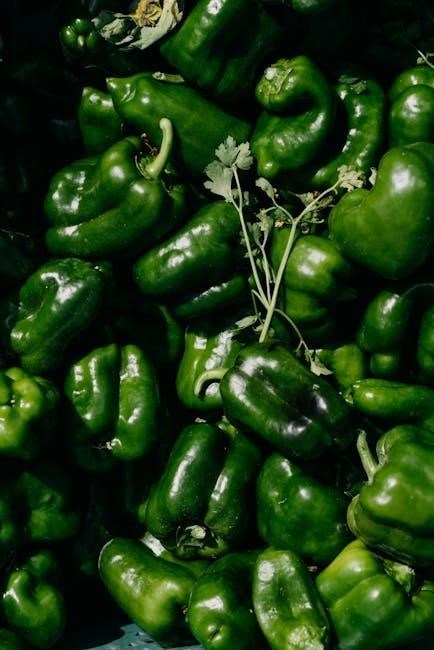
Beyond the basics‚ exploring root vegetables (carrots‚ potatoes)‚ alliums (onions‚ garlic)‚ and nightshades (tomatoes‚ peppers) expands culinary possibilities and nutritional intake. Plant-based food lists frequently emphasize seasonal vegetable consumption for peak flavor and affordability.
Prioritizing whole‚ unprocessed vegetables is key‚ as ultra-processed vegetable products may contain added sugars‚ salts‚ and unhealthy fats‚ diminishing their health benefits.
Fruits: Natural Sweetness and Vital Nutrients
Fruits offer a delightful natural sweetness alongside a powerful punch of vitamins‚ antioxidants‚ and fiber‚ making them a cornerstone of plant-based nutrition. Berries‚ apples‚ bananas‚ citrus fruits – the options are incredibly diverse and readily available.
Many plant-based food PDFs categorize fruits based on their glycemic index and nutrient density‚ assisting individuals in making informed choices. These resources often detail the specific health benefits associated with each fruit variety.
Beyond common choices‚ exploring tropical fruits like mangoes and pineapples‚ or stone fruits like peaches and plums‚ adds variety and expands nutritional intake. Prioritizing whole fruits over juices is recommended to maximize fiber consumption.
As with vegetables‚ mindful consumption is crucial‚ considering potential sugar content and opting for whole‚ unprocessed fruit whenever possible.

Legumes: Protein and Fiber Powerhouses
Legumes – encompassing beans‚ lentils‚ and peas – stand out as exceptional sources of plant-based protein and fiber‚ vital for satiety‚ digestive health‚ and overall well-being. They are incredibly versatile‚ lending themselves to countless culinary applications.
Comprehensive plant-based food PDFs frequently highlight legumes due to their affordability and nutritional density. These guides often provide detailed breakdowns of protein content‚ fiber levels‚ and essential micronutrients within each legume type.
From hearty lentil soups to flavorful bean burritos‚ legumes offer a wide range of culinary possibilities. Soaking and properly cooking legumes can enhance digestibility and nutrient absorption.
Considering the rising interest in plant-based protein‚ legumes are increasingly featured in innovative food products‚ further solidifying their importance in modern diets.
Grains: Whole vs. Refined Options
Grains form a significant component of many plant-based diets‚ but discerning between whole and refined options is crucial for maximizing nutritional benefits. Whole grains retain the bran‚ germ‚ and endosperm‚ providing fiber‚ vitamins‚ and minerals.
Plant-based food PDFs consistently emphasize prioritizing whole grains like quinoa‚ brown rice‚ oats‚ and whole wheat. These resources detail the superior nutritional profile of whole grains compared to refined counterparts like white rice and white bread.
Refined grains undergo processing that strips away essential nutrients‚ resulting in a less satisfying and less healthful food choice. Opting for whole grains supports sustained energy levels and digestive health.
Understanding this distinction is key to building a truly nourishing plant-based eating pattern‚ as highlighted in numerous dietary guides and resources available today.

Nuts and Seeds: Healthy Fats and Minerals
Nuts and seeds are nutritional powerhouses within a plant-based framework‚ delivering essential healthy fats‚ protein‚ fiber‚ vitamins‚ and minerals. They contribute significantly to heart health and overall well-being‚ making them a cornerstone of balanced plant-based meals.
Comprehensive plant-based food PDFs frequently showcase the diverse range of nuts and seeds – almonds‚ walnuts‚ chia seeds‚ flaxseeds‚ and sunflower seeds – and their unique nutritional contributions.
These resources detail how incorporating these into your diet can boost nutrient intake and provide sustained energy. They also highlight the importance of portion control due to their calorie density.
Prioritizing raw or dry-roasted varieties over heavily salted or sweetened options is consistently recommended‚ ensuring maximum health benefits from these versatile plant-based staples.

Plant-Based Protein Sources
Plant-based PDFs detail options like soy‚ lentils‚ beans‚ and quinoa‚ offering versatile and affordable protein for diverse dietary needs and preferences.
Soy-Based Foods: Tofu‚ Tempeh‚ and Edamame
Soy-based foods represent a cornerstone of many plant-based diets‚ offering complete proteins and versatility in culinary applications. PDF guides often highlight tofu‚ tempeh‚ and edamame as key sources‚ detailing their nutritional profiles and preparation methods.
Tofu‚ known for its ability to absorb flavors‚ is a blank canvas for various cuisines. Tempeh‚ a fermented soybean product‚ provides a firmer texture and nutty flavor‚ alongside probiotic benefits. Edamame‚ young soybeans‚ are a convenient and nutritious snack.
Forbes contributors and Reviewed dietitians acknowledge soy’s protein power‚ while resources emphasize mindful sourcing and preparation to maximize nutritional value. Understanding processing methods‚ as detailed in comprehensive plant-based food PDFs‚ is crucial for informed choices.
Lentils and Beans: Versatile and Affordable
Lentils and beans stand out as incredibly versatile and budget-friendly staples within plant-based eating‚ frequently featured in plant-based food PDFs as essential protein and fiber sources. Their affordability makes them accessible to a wide range of consumers‚ supporting widespread adoption of plant-forward diets.
Reviewed by dietitians‚ these legumes offer a wealth of nutritional benefits‚ contributing to heart health and sustained energy levels. Forbes articles often discuss their role in sustainable food systems due to their low environmental impact.
PDF guides detail diverse cooking methods – from soups and stews to salads and dips – showcasing their adaptability. Understanding proper preparation techniques‚ as outlined in these resources‚ optimizes digestibility and nutrient absorption.
Quinoa: A Complete Protein Source
Quinoa distinguishes itself as a remarkable plant-based protein source‚ uniquely classified as “complete” due to containing all nine essential amino acids – a detail often highlighted in comprehensive plant-based food PDFs. This makes it a valuable asset for individuals transitioning to or maintaining a plant-focused diet‚ ensuring adequate protein intake.
Forbes contributors frequently mention quinoa’s rising popularity alongside other innovative plant-based options. Reviewed by nutritionists‚ it’s praised for its versatility‚ easily incorporated into salads‚ bowls‚ or as a side dish.
PDF resources provide guidance on rinsing quinoa to remove saponins‚ enhancing its flavor. These guides also showcase diverse recipes‚ demonstrating quinoa’s adaptability and nutritional power.

Plant-Based Protein Powders: Options and Uses
Plant-based protein powders offer a convenient boost for those seeking to increase their protein intake‚ often detailed within comprehensive plant-based food PDFs. Common varieties include soy‚ pea‚ brown rice‚ and hemp‚ each with unique amino acid profiles and digestibility.
Reviewed by dietitians‚ these powders are frequently recommended for post-workout recovery or as additions to smoothies and baked goods. Forbes articles discuss the growing market for these supplements‚ driven by increased consumer awareness.
PDF guides often compare different protein sources‚ outlining their benefits and potential allergens. They also provide recipes and dosage recommendations‚ ensuring safe and effective supplementation.
Navigating the Plant-Based Market
Supermarkets now feature diverse plant-based options – burgers‚ sausages‚ and milks – detailed in helpful plant-based food PDFs for informed consumer choices.
Plant-Based Meat Alternatives: Burgers‚ Sausages‚ and Mince
The market is flooded with plant-based meat alternatives‚ including burgers‚ sausages‚ and mince‚ designed to mimic the taste and texture of traditional meat products. However‚ navigating this expanding selection requires careful consideration‚ and resources like a comprehensive plant-based food PDF can be invaluable.
Forbes notes Beyond Meat’s successful public offering‚ signaling growing consumer interest‚ while discussions around heart health – as highlighted in recent research – suggest not all alternatives are created equal. Understanding ingredient lists and nutritional profiles‚ often detailed in downloadable guides‚ is crucial.
Consumers should be aware that some options are ultra-processed‚ potentially negating health benefits. A well-curated plant-based food PDF can help differentiate between minimally processed and heavily processed products‚ empowering informed purchasing decisions and a healthier diet.
Non-Dairy Milk Alternatives: A Comprehensive Overview
The refrigerator aisles are now brimming with non-dairy milk alternatives‚ ranging from soy and almond to oat and cashew‚ catering to diverse dietary needs and preferences. A detailed plant-based food PDF can serve as an excellent resource for understanding the nutritional content and sourcing of these options.
Navigating this landscape requires awareness‚ as recent research suggests that ultra-processed plant-based foods may not always be healthier choices. Examining ingredient lists‚ often readily available in downloadable guides‚ is essential for making informed decisions.
Forbes reports on the evolving consumer landscape‚ while resources like a comprehensive plant-based food PDF can help identify brands prioritizing minimal processing and transparent ingredient sourcing‚ supporting a truly health-focused plant-based lifestyle.
Plant-Based Cheese Alternatives: Varieties and Quality
The plant-based cheese market offers a rapidly expanding array of options‚ from cashew-based mozzarella to coconut oil-derived cheddar‚ aiming to replicate the taste and texture of traditional dairy cheese. A comprehensive plant-based food PDF can be invaluable in deciphering the ingredients and nutritional profiles of these alternatives.
However‚ quality varies significantly‚ and many options fall into the category of ultra-processed foods‚ raising concerns about their overall health impact. Resources‚ including detailed plant-based food PDFs‚ can help consumers identify brands prioritizing whole-food ingredients.
Forbes contributors highlight the challenges facing the plant-based industry‚ emphasizing the need for innovation and transparency. Utilizing a plant-based food PDF allows for informed choices‚ supporting brands committed to healthier‚ less processed alternatives.
Understanding Ultra-Processed Plant-Based Foods
A critical aspect of navigating the plant-based market is recognizing ultra-processed foods‚ often mimicking meat or dairy with extensive ingredient lists. These products‚ while convenient‚ may contain high levels of sodium‚ sugar‚ and unhealthy fats‚ diminishing the health benefits associated with whole-food plant-based diets. A detailed plant-based food PDF can aid in identifying these items.
Recent research‚ as highlighted on December 12‚ 2025‚ suggests a potential link between ultra-processed plant-based food consumption and increased risk of heart disease and early mortality. Consulting a plant-based food PDF can help prioritize minimally processed options.
Transparency in ingredient sourcing‚ as discussed by the FDA‚ is crucial. Utilizing a plant-based food PDF empowers consumers to make informed choices‚ favoring products with recognizable‚ whole-food ingredients over heavily processed alternatives.

Health Considerations & Recent Research (as of 12/12/2025)
December 12‚ 2025 findings reveal nuanced health impacts; a plant-based food PDF aids informed choices regarding ultra-processed options and potential deficiencies.
Heart Health and Plant-Based Diets: New Findings
Recent research‚ as of December 12‚ 2025‚ challenges previous assumptions about the automatic cardiovascular benefits of all plant-based meat substitutes. A study highlighted by Getty Images and shared on Pinterest suggests that some plant-based burgers may not offer superior heart health advantages compared to their conventional counterparts.
This finding underscores the importance of scrutinizing ingredient lists and nutritional profiles‚ particularly concerning the level of processing. The rise of ultra-processed plant-based foods introduces complexities‚ potentially negating some of the inherent health benefits associated with whole‚ plant-derived ingredients. Accessing a comprehensive plant-based food PDF can empower consumers to make informed decisions.
Understanding the distinction between minimally processed options – like legumes‚ whole grains‚ and fresh produce – and highly processed alternatives is crucial for optimizing heart health. Further investigation is needed to fully elucidate the long-term cardiovascular effects of various plant-based dietary patterns.
The Impact of Ultra-Processed Plant-Based Foods on Health
As of December 12‚ 2025‚ a growing body of evidence‚ including a study featured on Stocksy via Pinterest‚ indicates a potential link between the consumption of ultra-processed plant-based foods and increased risks of heart disease and even premature mortality. These concerns stem from the ingredients and manufacturing processes used to create highly palatable‚ convenient alternatives.
Ultra-processing often involves adding significant amounts of salt‚ sugar‚ and unhealthy fats‚ diminishing the nutritional value initially present in plant sources. A detailed plant-based food PDF resource can help differentiate between whole-food options and these heavily modified products. Consumers should be aware that “plant-based” doesn’t automatically equate to “healthy.”
Prioritizing minimally processed plant foods – fruits‚ vegetables‚ legumes‚ and whole grains – remains paramount for maximizing health benefits and minimizing potential risks associated with ultra-processed alternatives.
Potential Risks and Nutritional Deficiencies
As of December 12‚ 2025‚ while plant-based diets offer numerous health advantages‚ careful planning is crucial to avoid potential nutritional deficiencies. Relying heavily on ultra-processed plant-based alternatives‚ as highlighted by Stocksy via Pinterest‚ can exacerbate these risks due to limited nutrient density.
Key nutrients to monitor include vitamin B12‚ iron‚ calcium‚ vitamin D‚ omega-3 fatty acids‚ and zinc. A comprehensive plant-based food PDF guide can assist in identifying food sources and supplementation needs. Insufficient intake can lead to fatigue‚ weakened immunity‚ and other health complications.
Furthermore‚ individuals transitioning to plant-based diets should be mindful of adequate protein intake‚ utilizing diverse sources like legumes‚ tofu‚ and quinoa to ensure complete amino acid profiles.
Labeling and Regulation
The FDA proposes clarifying ingredient sourcing on plant-based labels‚ a move debated by industry groups regarding potential burdens and consumer choice limitations.
FDA Guidance on Plant-Based Product Labeling
Recent FDA draft guidance focuses on ensuring plant-based products are labeled in a way that doesn’t mislead consumers regarding their nutritional content or intended use. This stems from a growing market and increasing consumer interest‚ but also concerns about clarity and consistency.
The core issue revolves around terminology – specifically‚ when a product can legitimately use terms like “milk‚” “yogurt‚” or “cheese” if it’s derived from plants rather than animals. The FDA aims to provide a framework for evaluating these labels‚ potentially requiring additional disclosures to highlight differences from traditional dairy.
Industry groups express concerns that overly strict regulations could stifle innovation and limit consumer choice‚ adding burdens to manufacturers. However‚ consumer advocates argue that clear labeling is essential for informed decision-making‚ particularly for individuals with allergies or dietary restrictions. The FDA’s approach seeks a balance between these competing interests‚ aiming for transparency without hindering market growth.
Ingredient Sourcing Transparency
A key concern within the plant-based food sector is the traceability and transparency of ingredient sourcing. Consumers are increasingly demanding to know where their food comes from‚ how it’s grown‚ and the environmental and ethical implications of its production.
This demand extends beyond simply identifying the origin country; it encompasses farming practices‚ labor standards‚ and the overall sustainability of the supply chain. While some brands are proactively disclosing this information‚ a standardized approach is currently lacking.
The FDA’s potential guidance on labeling may indirectly address this by encouraging or requiring more detailed ingredient lists. However‚ true transparency requires a broader commitment from manufacturers to openly share information about their sourcing practices‚ potentially utilizing blockchain technology or third-party certifications to build consumer trust and demonstrate accountability.

The Future of Plant-Based Foods
Despite recent difficulties‚ sector experts remain optimistic‚ anticipating innovation and growth opportunities within the animal-free food and beverage industry for years to come.
Challenges Facing the Plant-Based Industry
The plant-based sector currently navigates significant headwinds‚ experiencing a downturn in sales despite initial explosive growth‚ as noted in recent reports from December 12‚ 2025. A key challenge lies in consumer perception; some plant-based alternatives aren’t necessarily healthier than their conventional counterparts‚ particularly ultra-processed options.
Furthermore‚ the FDA’s proposed guidance on ingredient sourcing transparency‚ while aiming for clarity‚ is viewed by some industry groups as potentially burdensome‚ potentially limiting consumer choice and increasing manufacturing costs. The industry also faces the hurdle of convincing consumers that plant-based options deliver on both taste and nutritional value.
Competition from traditional meat and dairy remains fierce‚ and the higher price point of many plant-based products continues to be a barrier for price-sensitive consumers. Overcoming these obstacles requires continued innovation‚ improved product formulations‚ and effective communication of the benefits of plant-based eating.
Innovation and Growth Opportunities
Despite current challenges‚ the plant-based industry retains substantial growth potential‚ fueled by evolving consumer preferences and ongoing innovation as of December 12‚ 2025. Opportunities lie in developing more realistic and flavorful plant-based alternatives that closely mimic the taste and texture of conventional products.
Focusing on whole-food plant-based options‚ minimizing ultra-processing‚ and emphasizing nutritional benefits can attract health-conscious consumers. Investment in research and development to improve ingredient sourcing and reduce production costs is also crucial. Exploring novel protein sources beyond soy and pea protein could diversify offerings.
Furthermore‚ expanding into new product categories‚ such as plant-based seafood and bakery items‚ presents untapped market segments. Strategic partnerships with restaurants and food service providers can broaden accessibility and drive adoption‚ ultimately securing a healthy future for the sector.
Consumer Trends and Preferences
As of December 12‚ 2025‚ consumer interest in plant-based foods remains strong‚ though purchasing patterns are evolving. While initial growth was driven by vegans and vegetarians‚ the market now attracts flexitarians – individuals reducing meat consumption for health or environmental reasons.
Consumers are increasingly scrutinizing ingredient lists‚ seeking minimally processed options and prioritizing transparency in sourcing. Concerns regarding the health impacts of ultra-processed plant-based foods are growing‚ influencing purchasing decisions. Taste and texture remain key drivers‚ with consumers expecting plant-based alternatives to deliver a satisfying experience.
Affordability is also a significant factor‚ as many plant-based products currently carry a price premium. Demand for convenient and accessible plant-based options‚ like ready-to-eat meals and snacks‚ is on the rise‚ shaping future product development.
Resources for Plant-Based Eating
Discover a wealth of plant-based recipes‚ meal plans‚ and informative guides readily available online‚ empowering your journey towards healthier‚ sustainable eating habits.
Finding Plant-Based Recipes and Meal Plans
Embarking on a plant-based lifestyle is significantly easier with access to a diverse range of recipes and thoughtfully curated meal plans. Numerous online platforms and resources cater specifically to plant-based eaters‚ offering everything from quick weeknight dinners to elaborate weekend feasts.
Websites dedicated to plant-based cuisine frequently provide downloadable PDFs containing recipe collections categorized by dietary needs (gluten-free‚ soy-free‚ nut-free) or cuisine type (Italian‚ Asian‚ Mexican). These PDFs often include detailed nutritional information‚ making meal planning more streamlined.
Social media influencers and registered dietitians specializing in plant-based nutrition also share free meal plans and recipe guides‚ often available for download; Exploring these resources can introduce you to innovative flavor combinations and cooking techniques‚ expanding your culinary horizons.
Furthermore‚ many plant-based food companies offer recipe databases on their websites‚ showcasing how to best utilize their products. These resources are invaluable for discovering new ways to incorporate plant-based alternatives into your existing diet.
Accessing Plant-Based Food PDFs and Guides
Numerous organizations and websites offer comprehensive plant-based food PDFs and guides‚ designed to simplify the transition to a plant-focused diet. These resources often compile extensive lists of plant-based foods‚ categorized by food group – vegetables‚ fruits‚ legumes‚ grains‚ nuts‚ and seeds – providing a valuable starting point.
Dietitian-created guides frequently include detailed nutritional breakdowns‚ highlighting the vitamins‚ minerals‚ and macronutrients found in various plant-based options. These PDFs can be particularly helpful for ensuring a balanced and complete diet‚ addressing potential nutrient deficiencies.
Government health organizations and non-profit groups also publish downloadable PDFs promoting plant-based eating for health and environmental sustainability. These guides often feature meal planning templates‚ shopping lists‚ and recipe ideas.
Searching online for “plant-based food list PDF” yields a wealth of results‚ ranging from simple checklists to in-depth educational materials. Always prioritize resources from reputable sources to ensure accuracy and reliability.